
1
Online introduction (30 min)
A compact introduction to the theory: what it is, why it determines how a team functions day to day and how to read the results later on.
With insight and focused actions, you can improve team dynamics for the long term.
Book an exploratory callEverything starts with measuring. Only when you know how a team is really doing can you improve with focus.
The Quick Scan is often the first step. A fast, well-founded way to get started and see where the gains lie. Is it already clear which team needs attention? Then you can also start a PACE programme straight away.
The accessible way to start: fast, well-founded and broadly applicable, also across several teams at once. Within one to two weeks you know objectively how teams are doing, and which teams need attention.
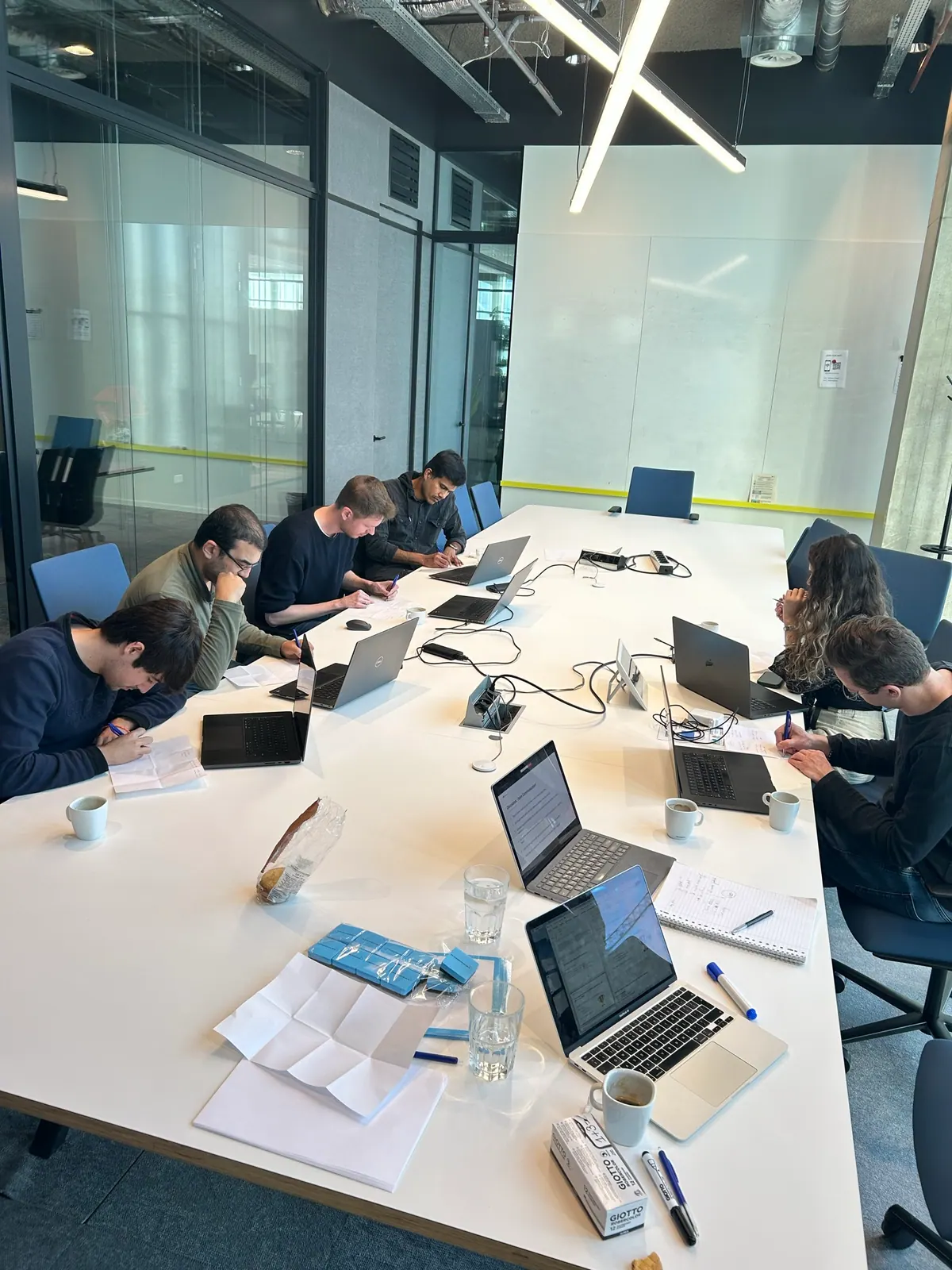
Some teams run by themselves. In others there is a sense that things are sticky: less energy, more noise, not quite right. You just cannot put your finger on it. The Quick Scan makes objectively visible to what extent a team is in flow, so you know whether you need to take it seriously or not.
Any team whose dynamics you want to understand properly: a permanent department, a project team, a management team or a sports team. Suitable for teams that seem to run well and for teams you have doubts about. See the team types we work with.
The whole process is completed within about 1 to 2 weeks. The time investment for team members is limited: completing the scan takes only a few minutes.
The Quick Scan is an accessible, easy and fast way to make team dynamics visible.
The outcome of the Quick Scan points the way immediately.
No immediate reason for action. You now know in black and white that the collaboration is in order: a valuable confirmation and a baseline to come back to later.
No alarm, but signals that do need attention. It pays to follow this team closely and adjust on the right points, before small friction grows bigger.
It is wise to get to work with this team. The scan shows where the attention needs to go. This is the natural starting point for a PACE programme.
PACE is TeamPacer's cyclical system. We measure the team's dynamics, analyse what we see, concretise actions, and repeat the measurement to make progress visible. Not a one-off intervention, but a rhythm. You enter via the Quick Scan, or directly, when the reason is already clear.
The programme starts with onboarding the team on TeamInsights, our platform for mapping team dynamics. Each team member gets their own account and lands on a team page where everything comes together: how the team is doing right now, which polls are ready and which agreements you have made together.
From that environment we do the first measurement straight away. Everyone completes the questionnaire anonymously, in a few minutes. That first measurement is the starting point: everything that follows is set against it.
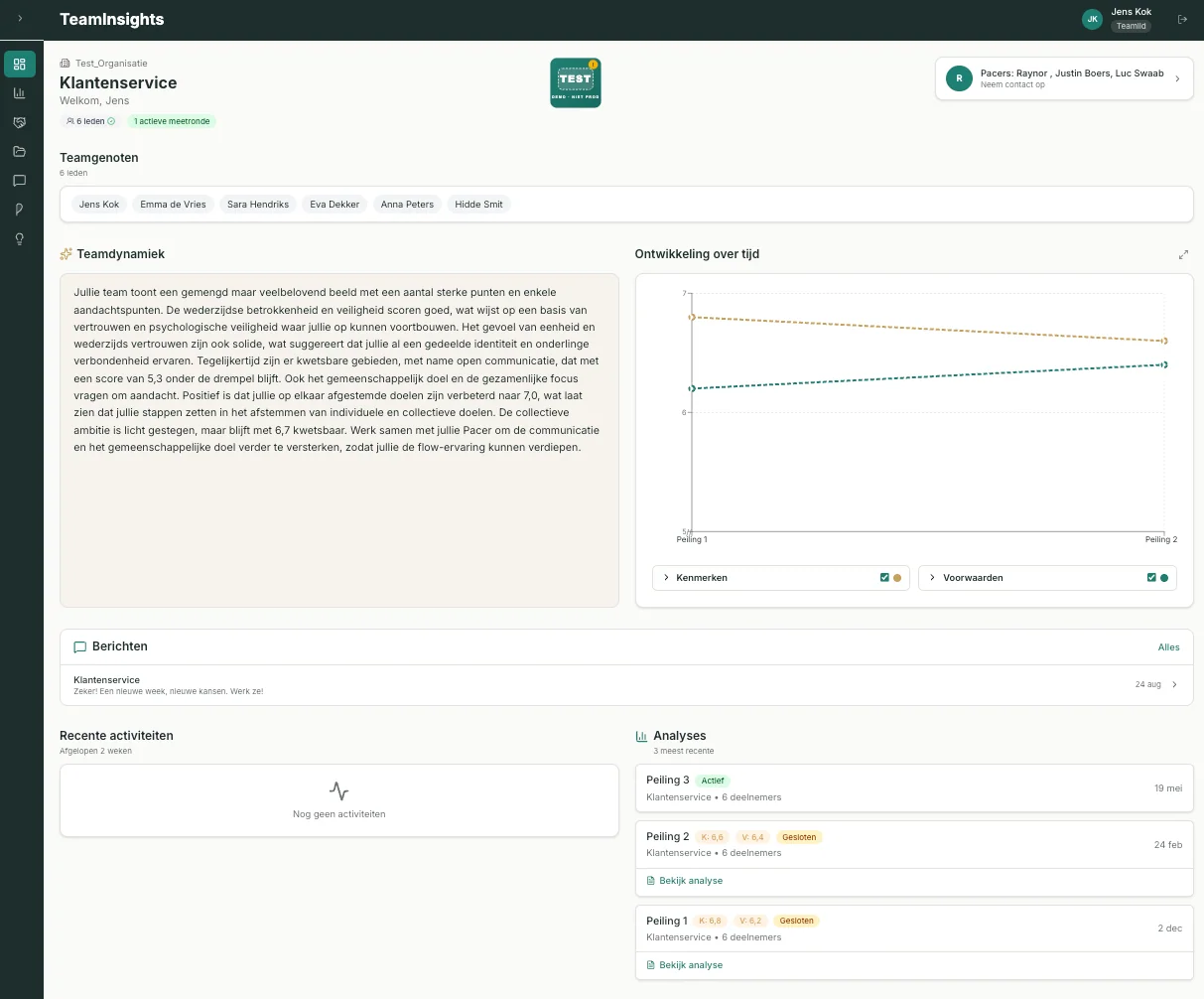
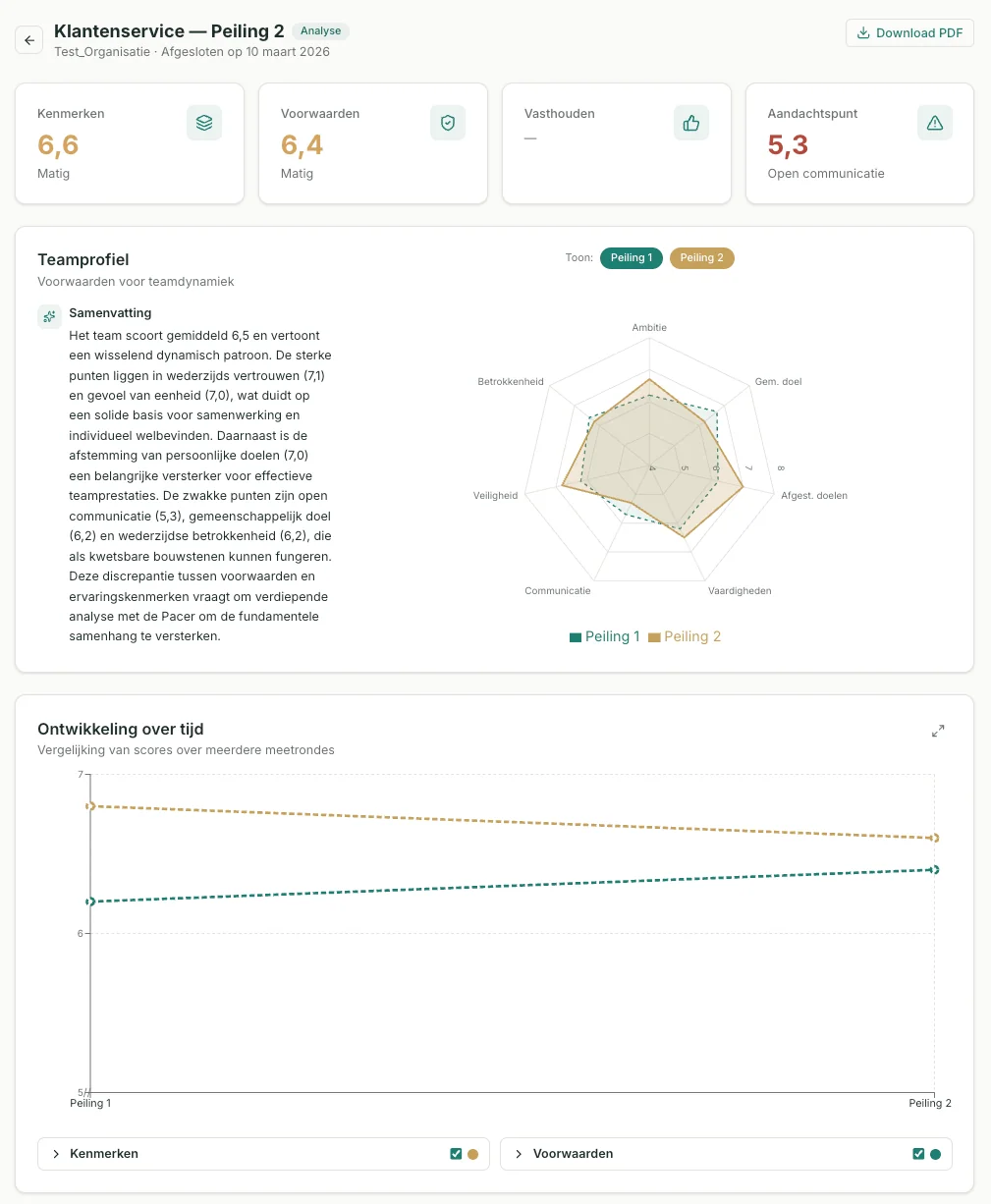
In this phase the measurement is translated into insight. You get an in-depth picture of the team dynamics: how is the team doing on factors such as shared ambition, open communication, a safe climate, mutual trust and the sense of moving forward together?
You also get comparisons with earlier polls, the development over time and an AI-supported summary of what strengthens the team and what needs attention.
Download the report to share it easily or store it in your own environment.
Curious what such a report looks like? . The sample report is in Dutch.
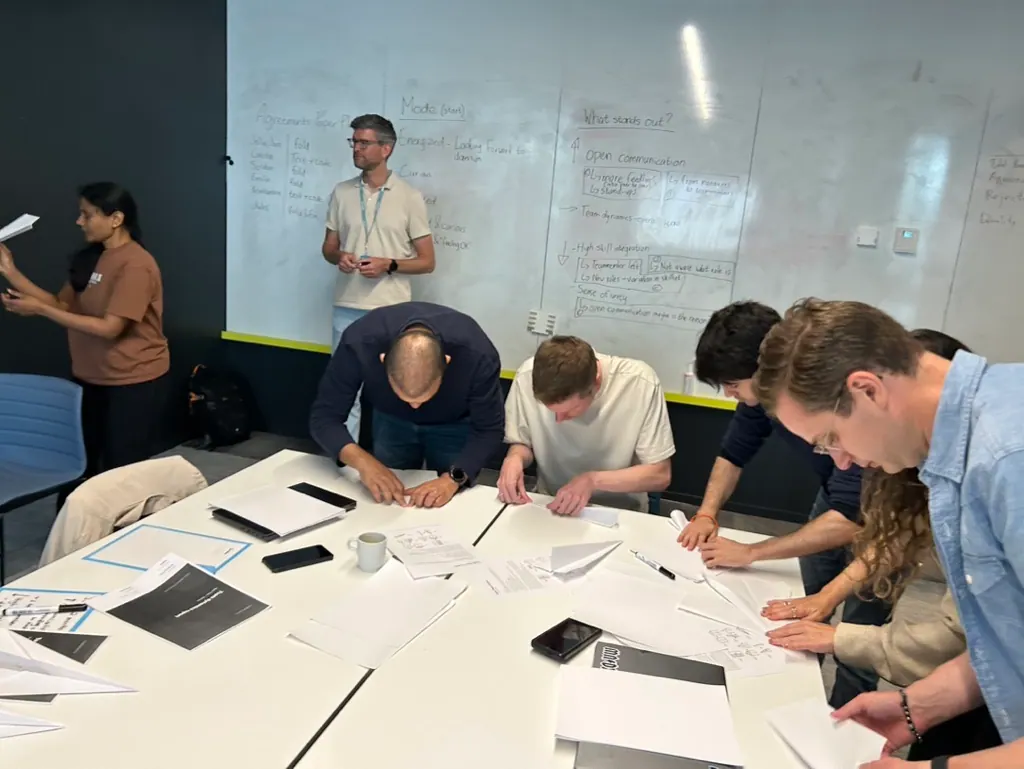
Together with the Pacer you go through the findings. Based on the insights we choose the approach that fits each case. No fixed method that we apply everywhere, but a deliberate choice for what this team needs at this moment.
And we have a lot to offer. Our people differ in background, expertise and in the methods they apply, from LEGO Serious Play and video coaching to an elite-sport approach or Deep Democracy.
In the workshop the team then gets to work concretely on the improvement process. Together you translate what the measurement shows into agreements that the team itself owns.
The team grows. By acting on the agreements made, the dynamics improve.
To anchor changes for the long term, we do a new measurement after an agreed period, usually four to six weeks. This shows what the agreements have delivered and where the next development opportunity lies.
That closes the circle: measure, improve and measure again, a rhythm that makes the team stronger step by step.

This creates a continuous rhythm of measuring, understanding, improving and measuring again, in which teams grow stronger step by step.
In a short exploratory call we determine together whether the Quick Scan or the full PACE programme best fits your situation.
Book an exploratory call